Cannabis for Wellness
- Sep 25, 2025
- 21 min read
Updated: Oct 25, 2025

The discovery of the Endocannabinoid System (ECS) over 30 years ago in the 1990s heralded the arrival of a paradigm shift for medicine in restoring and maintaining whole-body balance, known as Homeostasis. Feedback mechanisms have long been the bedrock of Biology, suppressing processes when they exceed thresholds and activating processes when they drop below. Without this intrinsic drive to restore and maintain balance, life as we know it would be in disarray, a state of high thermodynamic entropy, as chemists would say. Despite this major reveal over 30 years ago, medical schools have not caught on to the Endocannabinoid System (ESC) as a 'master regulator', orchestrating the twelve (12) organ-based systems such as the Immune, Circulatory and Reproductive systems, to name a few.

The Hypothalamus, once considered the foremost regulator of the body, is now being realized as only a component part of the larger Endocannabinoid modulatory network, balancing mood, immune response, appetite, memory, cognition and more. Plant Unique plant compounds in Cannabis termed Phytocannabinoids, like THC, CBD, CBG, CBN, CBC and THCv are turning out to be ecosystem regulators, dynamically interacting with the Endocannabinoid System (ESC) to influence and restore our balance. Additional plant compounds such as Terpenes, Flavonoids, Vitamins and Minerals work synergistically alongside those Phytocannabinoids to modulate and promote balanced therapeutic effects, a phenomenon referred to by scientists as the Entourage Effect. This blog explores the potential of Cannabis for various aspects of health and wellness, from pain management to mental health to skin health.

Today's conventional medicine is aware that effective treatment and management solutions for most disease states emerge from the balancing of regulatory networks. Phytocannabinoids found in Cannabis like THC, CBD, CBG, CBN, CBC and THCv serve as ecosytem regulators to influence balance by acting on endogenous cannabinoids. Endocannabinoids such as ANA and 2-AG bind to cannabinoid receptors CB1 and CB2 mainly found in the nervous and immune systems and organs as the liver, kidney, lungs, digestive tract, heart, reproductive organs, pancreas, bones and muscles. Israeli chemist Raphael Mechoulam was the first to uncover the chemical structure of THC and CBD in mid mid-1960s. Today, cannabinoid isolates are growing in popularity with supplements and drugs featuring single phytocannabinoids like Cannabidiol (CBD) as with the drug Epidiolex®. However, some scientists are suggesting and demonstrating that whole plant medicine, also called Full Spectrum Extracts, capture more of the plant chemicals such as Phytocannabinoids, Terpenes, Flavonoids, Vitamins and Minerals are meant to work synergistically, modulating and promoting the balanced effects of the Cannabis experience, a phenomenon called The Entourage Effect.

Controversial for some, calming for others, Cannabis and its potential to promote wellness is one of the hot topics globally. Commonly referred to as 'Marijuana', 'Ganja', 'Spliff', 'Mary Jane' 'Hemp' and 'Skunk' by others, 'Cannabis' is the preferred term for this plant genus that belongs to the Cannabaceae family. While consensus has not been reached on the classification of Cannabis, its various varieties like Cannabis indica, Cannabis ruderalis, Cannabis afganica and Cannabis sativa are considered by some botanists to be distinct species of the Cannabis genus,while other scientists consider these varieties also called cannabis strains, as subspecies of the broader Cannabis sativa L. Plant varieties differ in their physical appearance, chemical composition, geographical prevalence and uses.

Cannabis History and Science
From antiquity, the Cannabis plant has been leveraged for food, medicine, clothing, leisure and spiritual practices. Early historical records took note of the plant in Central and East Asia about 12,000 BC.

To date the annual US market size for medicinal plant supplements is about $60 billion. There are about 400 different chemicals present in Cannabis. You have probably heard of compounds like THC and CBD having effects on the body. These plant chemicals or Phytochemicals are among the Cannabinoids, a class of chemical compounds found in plants (Phytocannabinoids), found in our bodies (Endocannabinoids) and others chemically synthesized, (Synthetic Cannabinoids). Two classes of chemicals are present in plants, facilitating survival and functional needs like making food.

How living things survive and get along is termed as metabolism, trading biochemicals or metabolites in exchange for food and energy. There are Primary and Secondary Metabolites, of which the first class is responsible for essential functions of survival, growth and reproduction. Secondary Metabolites on the other hand, enable ecological functions like adaptability, defence and resource competitiveness. Plant cannabinoids also referred to as Phytocannabinoids are of the Secondary Metabolite class of which 120 Phytocannabinoids have been identified, including delta (Δ)-9 Tetrahydrocannabinol (THC), Tetrahydrocannabivarin (THCv), Cannabidiol (CBD), Cannabigerol (CBG), Cannabinol (CBN), Cinnabichromene (CBC), Cannabielsoin (CBE), Cannabicyclol (CBL), Cannabinodiol (CBND) and Cannabitriol (CBT) are noteworthy mentions. These plant-based cannabinoids can exhibit psychoactive as well as non-psychoactive therapeutic effects on our body, mind and mood.
The Endocannabinoid System (ESC)
The Endocannabinoid System (ESC) is comprised of neurotransmitter ligands, receptors for those ligands and enzymes that internally regulate this dynamic system. The ESC is a pervasive regulatory system responsible for modulating body functions, maintaining balance (Homeostasis). During periods of stress, pain and exercise, the ESC serves as an ecosystem regulator to restore and fine-tune global homeostasis.
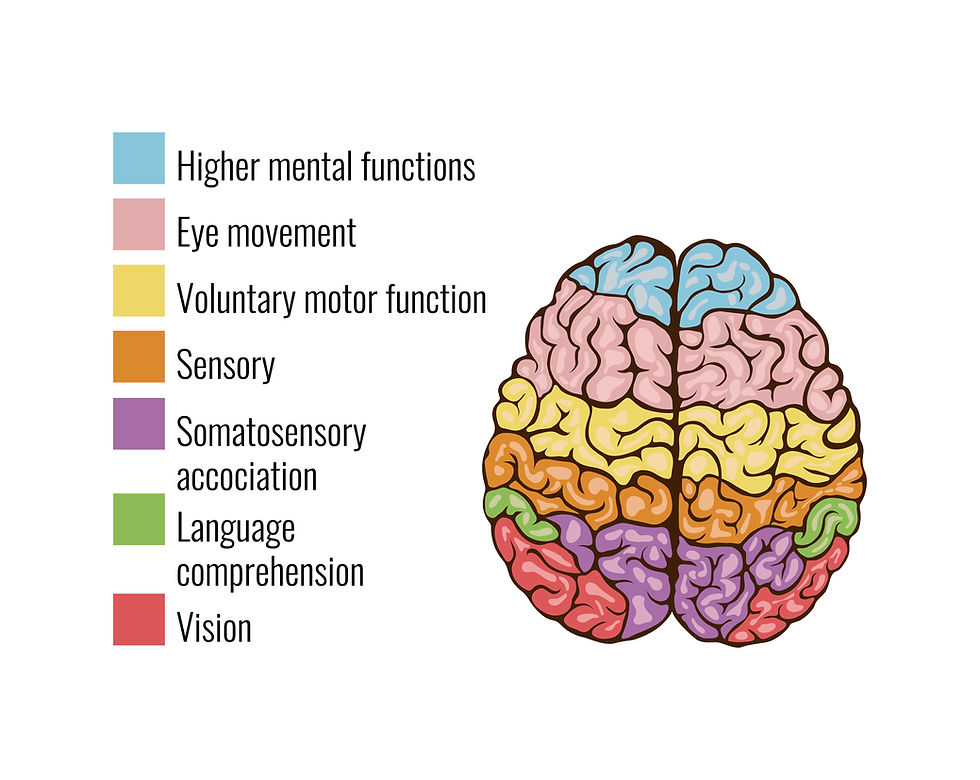
Three (3) Components of the ESC:
Ligands (ANA and 2-AG)
Receptors (CB1 and CB2)
Enzymes (FAAH and MAGL).
Ligands
Ligands are molecules with tendencies to bind to receptors. Cannabinoid ligands endogenously produced in the body are referred to as Endocannabinoids. They are of two (2) varieties Anandamide (ANA or AEA) and 2-Arachidonoylglycerol (2-AG), influencing the baseline neural tone of body physiology as well as emotions, pain, perception, appetite and mood.
Receptors
Receptors are large biomolecules that accept specific ligands. Cannabinoid receptors are found throughout the body, in our nervous system, muscular system, immune system, integumentary system to name a few of the 12 organ-based systems of the human body. There at two (2) varieties of cannabinoid receptors, Cannabinoid Receptor 1 (CB1) and Cannabinoid Receptor (CB2).

CB1 receptors are mainly present in the Brain, Spinal cord, Eye and Reproductive organs. Brain regions like the Basal Ganglia, Limbic System, Striatum, Cerebellum, regions that govern movement, speech, coordination, skill acquisition, emotions, memory, habit formation, and decision making, On the other hand, CB2 receptors are mainly found in the Peripheral Nervous System and Immune system particularly the spleen and tonsils, while also present in the heart, liver and reproductive organs, regions for mounting immune defense and a balanced inflammatory response.
Enzymes
Enzymes are biocatalysts that speed up reactions in the body, facilitating metabolism. Special endocannabinoid enzymes such as Fatty Acid Amide Hydrolase (FAAH) and Monoacylglycerol Lipase (MAGL) break down the two (2) endocannabinoid ligands we mentioned earlier, ANA and 2-AG. Enzymes manage the rate at which endocannabinoids are broken down, regulating the intricate workings of the Endocannabinoid System.
Therapeutic Effects of Cannabis

Phytocannabinoids found in Cannabis can influence our bodies therapeutically in areas of pain and inflammation (physical, psychological, psychosomatic), mood disorders (anxiety, depression, bipolar disorder), neurological disorders (epilepsy, alzheimer's, parkinson's), immunological disorders (autoimmune diseases), skin health (psoriasis, contact dermatitis), and wound healing. In the field of Drug Discovery and Development, the bioactive potential of secondary metabolites accounts for about 50% of drugs on the market are developed from natural product scaffolding. Although natural product scaffolding (Pharmacophore) is conserved, semisynthesis reactions yield chemical variants (Analogs) aimed at improving the way our body processes a drug (Pharmacokinetics) and how a drug affects the body (Pharmcodynamics).
Cannabis for Pain Management
The management of pain is complex, sharp but short-lived acute pain at times in other instances dull and long long-lasting chronic pain. Pain is multi-modal also, experiencing physical symptoms sometimes, other times psychological or a mixing of both, psychosomatic pain. Despite advances in understanding pain pathways and circuits, health professionals still find it challenging to treat and manage. For such reasons, Cannabis is being sought after by those with pain for alternative relief, especially for chronic pain, neuropathic pain and those who suffer from post-traumatic stress disorders (PTSD).
Scientists are pursuing novel approaches in the development of molecular targets for chronic pain by harnessing phytocannabinoids, despite regulatory hurdles. To date, cannabis pharmaceuticals can be found on the market, including drugs like Sativex® (Nabiximols) and Epidiolex® (Cannabidiol) have leveraged THC and CBD for pain management. The other secondary metabolites like Terpenes have demonstrated antinociceptive and anti-inflammatory properties. These include terpenes such as Myrcene, Humulene, Carophyllene, Pinene and Limonene, demonstrating pain suppresive interactions with inflammatory pain mediators and pathways such as Norcicpetors, Cytokines, TRPV channels, Substance P, TLRs, COX-2, NF-kB, MAPK and JAK-STAT.

A cocktail of terpenes and cannabinoids could recruit the body’s Endocannabinoid System (ECS) for synergistic relief of neuropathic pain and inflammation. Such an additive approach corroborates Full-Spectrum Extract Theory and the Entourage Effect. Consumer demand for a ‘one size fits all’ analgesic with low dependency, high efficacy and affordability could be challenging for pharmaceutical scientists. Full-spectrum extracts have complex pharmacodynamics that vary from patient-to-patient resulting in individualized health outcomes. Vital Force Theory could also be at play in these whole-spectrum extracts, uniquely influencing each patient in a personal, conscious. Paraclesus, touted as father of Toxicology and Medicinal Chemistry, pioneered a similar full-spectrum extract therapy known as Spagyric Medicine. A type of ‘pharmaco-energetic’ medicine based on the premise that bodily imbalances from blockages in our life force and chakras can manifest as pain and that homeostasis could be vibrationally restored, resulting in the systemic well-being.
Cannabis for Mood and Cognition Enhancement

Our mood is mainly governed by a cocktail of brain chemicals, used by neurons to transmit information and influence mood, they called neurotransmitters. Neurotransmitters such as Serotonin, Dopamine, Norepinephrine, Aetcylcholine, Glutamate and GABA regulate our mood and cognition. In the right chemical proportions and at the right times, these chemicals maintain balance in our emotions and thinking. Imbalances in these neurotransmitters can result in mood disorders like Anxiety, Depression and Bipolar Disorder. Today's high stress, result-driven work environments correlates strongly with higher incidences of mood disorders. Western medicine's approach has been the prescription of mood-enhancing drugs such as SSRIs (Serotonin Selective Reuptake Inhibitors), SNRIs (Serotonin-Norepinephrine Reuptake Inhibitors) and MAOIs (Monoamine Oxidase Inhibitors) to name a few. Broadly, the mechanisms of action of drugs have been to adjust the concentrations of neurotransmitters in the space between two or more communicating neurons, the Synaptic Cleft.
Phytocannabinoids in cannabis can positively influence mood through their actions on the Endocannabinoid System (ESC). By mimicking the body's own endocannabinoids, Anandamide (ANA) and 2-Arachydonoylglycerol (2-AG), canabinoids like CBD, THC, CBG, CBN, CBC and THCv and others bind to CB2 and CB1 receptors, causing chain reactions that adjust the concentrations of neurotransmitters in the brain.
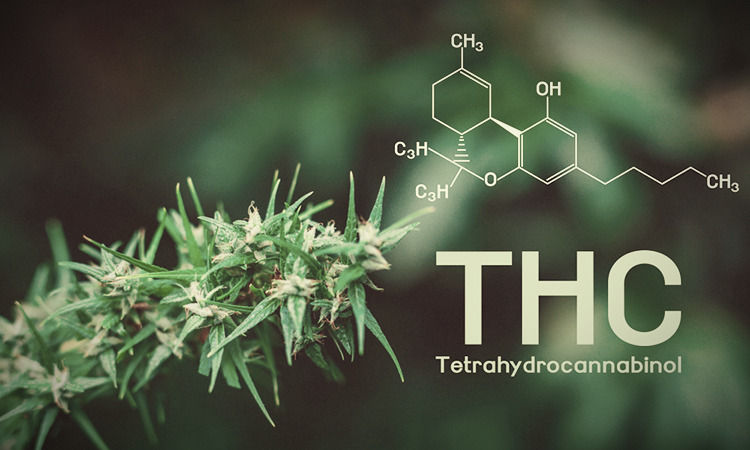
THC primarily binds to CB1 receptors to a lesser extent on CB2 receptors, resulting in psychoactive effects that cause feelings of euphoria, relaxation and happiness at the right doses, at other times paranoia, confusion, nausea, anxiety and depression in excessive and prolonged doses. THC clearance from the body is largely dependent on how the liver breaks down this cannabinoid by the liver enzyme CYP 2C9, a member of the Cytochrome P450 superfamily. Live enzyme CYP 2C9 also metabolizes commonly prescribed drugs like Warfarin, an anticoagulant used in Myocardial Infarctions, heart attacks; Ibuprofen used for musculoskeletal inflammatory pain; Phenytoin an anticonvulsant used to prevent seizures as well as some Nonsteroidal Anti-Inflammatory Drugs (NSAIDs). In fact, naturally occuring polymorphic genetic variations result in some having lower levels of this liver enzyme, reducing the rate at which compounds are cleared from the body.

CBD is particularly known for its anxiolytic and antidepressant effects on the Serotonin receptor known as 5-HT1A. CBD also affects GABA neutrotransmission through allosteric binding GABA receptors that inhibit excitatory nerve firing, thus reducing anxiety. CBD can also act on other brain receptors like the prefortal cortex BDNF (Brain-derived Neurotrophic Factor) modulating mood and improving cognitive function as a nootropic. CBD being non-psychoactive in nature, has been demonstrated to modulate the psychoactive effects of THC, adding guard rails that keep the mind in check, a synergistic effect referred to as the Entourage Effect.
Types of Entourage Effects
Pharmacokinetic Entourage Effect:
The concentration of an existing molecule like THC circulating the blood or brain is affected by the presence of another molecule like CBD, taming THC's psychoactive 'high'.
Direct Pharmacodynamic Entourage Effect:
Phytochemical compounds in cannabis modulate the effects of another molecule in the body by binding to the same receptor.
Indirect Pharmocodynamic Entourage Effect: when a phytochemical in cannabis modulates the bodily effects of another molecule by binding to a different receptor
Terpenes in Cannabis

The entourage effect is strongly attributed to the most abundant class of secondary metabolites found in cannabis known Terpenes, the three other classes being Phenolics, Alkaloids and Polyketides. Terpenes are mainly made by plants but can be biosynthesized in animals and microorganisms as well. Due to their high therapeutic potency and low adverse effects, this group of secondary metabolites stands out proudly from the rest. The structural motif of terpenes is comprised of linked and repeating Isoprene units— (C5H8)n. The number of linked isoprene units present in a given terpene determines the nomenclature (Hemiterpene, Monoterpene, Sesquiterpene, Diterpene, Sesterterpene, Triterpene, Tetraterpene, Polyterpene). Oxidative variants of terpenes are termed Terpenoids or Isoprenoids and may include other functional groups besides oxygen. This group of secondary metabolites has also been attributed with organoleptic properties of fragrance, taste and colour which influence the brain’s Limbic System, having unique effects on our mood and associative memories, a phenomenon considered as ‘Sensory Fingerprinting’.

Terpenes present in the Trichomes of the female Cannabis sativa L. flower bud and are responsible for the plant's medicinal properties and include terpenes such as Myrcene, Pinene, Limoene, Humulene, Linalool and Caryophyllene as well as its other phytocannabinoids like CBD, CBN, CBC, CBG, THC, and THCv. Trichomes are outgrowths of a plant's epidermis or skin, which help to defend against pests. Over 200 Terpenes are present in cannabis trichomes, while over 120 Phytocannabinoids are also present in the trichomes. The other one third (1/3) of botanical compounds are vitamins, minerals and chlorophyll pigments. The synergism expressed when phytocannabinoids and terpenes work together emerges from the varied choice of biochemical cascades. Most Terpenes, with the exception given to β-carophyllene, do not directly bind to cannabinoid receptors CB1 and CB2.
Pinene
Pinene is a monoterpene that exists in nature as two different structural configurations or isomers: Alpha Pinene (α-pinene) or Beta Pinene (β-pinene). Found in cone-bearing plants and conifers α-pinene is at highest concentrations in Pine, Spruce and Cedar; while β-pinene is prominent in Rosemary, Basil, Parsley and Dill. Some plants boast both alpha and beta pinene isomers, as with Cannabis sativa L. In nature, it is α-pinene that can be found in greater abundance and is prominently attributed with organoleptic properties. If one were to spend time under the forest canopy or (Forest Bathing) one would appreciate the fresh, piney aroma of aerosolized α-pinene molecules suspended in the forest air.

Japanese culture place great value on forest bathing terming it 'Shinrin-yoku'. Alpha-pinene has the ability to lower our stress hormone Cortisol, lower blood pressure, relieve anxiety, uplift the spirit (Anxiolytic, Adaptogen); combat inflammation (Anti-inflammatory); fight respiratory infections (Antimicrobial) and resist oxidative stress (Anti-oxidant). Alpha pinene also increases airway intake by relaxing airway smooth musles much like the β₂ adrenergic agonist, Albuterol, the pharmaceutical used in asthmatic inhalers (Bronchodilator). These beneficial bioactive effects suggest α-pinene's therapeutic potential as a powerful terpene. [11]
In Pharmacology, for a drug or compound (Xenobiotic) to have an effect on the body (Pharmacodynamics) it must first demonstrate good Absorption, Distribution, Metabolism and Excretion (Pharmacokinetics). Studies have shown α-pinene's bioactivity throughout the body with uptake into systemic circulation highest at the lungs on inhalation (Bioavailability). [11]
Alpha-pinene's action on the body as an anti-inflammatory seems to be modulating inflammatory mediators and pathways like Tumor Necrosis Factor-α (TNF-α), Interleukins (IL-6, IL-1β), Nuclear Factor Kappa B (NF-κB), Nitric Oxide (NO), Mitogen-Activated Protein Kinases (MAPKs) and Prostaglandin E1 (PGE1). Promising anti-tumor properties of α-pinene have been demonstrated in skin and liver tumor cell lines that show cell cycle arrest (G2/M) and programmed cell death (Apoptosis); as well as promising anti-oxidative outcomes which result in the spawning of protective pathways against Reactive Oxygen Species (ROS). Alpha-pinene's potential to enhance cognition and memory is attributed not only to improved blood flow to the brain, but as an Acetylcholinesterase Inhibitor (AchEI) delaying enzymatic breakdown of the neurotranmistter Aceytlcholine responisble for attention, learning and memory. In the brain, α-pinene acts as an adaptogen capable of adapting to and relieving stress, reducing anxiety and improving overall mood by allosterically modulating GABA receptors thereby suppressing the excitability or neuronal tone of the nervous system. The physiological mechanisms which result in calming effects are similar to the short-acting pharmaceutical drug class known as Benzodiazepines: Alprazolam (Xanax), Diazepam (Valium), Lorazepam (Ativan) etc. [11-14]
On the other hand, β-pinene has been demonstrated to show anti-depressant properties similar to the long-acting and commonly prescribed drug class known as SSRIs (Selective Serotonin Reuptake Inhibitors). In the brain, Serotonin is a neurotransmitter associated with mood, emotion, cognition, memory and apetite. In the 1960s, it was hypothesized that depression was due to low Serotonin levels and that anti-depressant drugs were the sole means of boosting levels (The Serotonin Hypothesis) although this hypothesis has since been updated. SSRIs bind to presynaptic Serotonin 1A Receptors (5-HT1A) blocking the reuptake of the neurotransmitter by Serotonin Transporter (SERT) from the synaptic cleft, resulting in an accumulation of serotonin, thus 'increasing serotonin levels'. However, novel research is revealing β-pinene's similar potential as an SSRI-like acting compound exerting anti-depressant effects similar to well-known SSRIs such as Paroxetine (Paxil), Fluoxetine (Prozac), Sertraline (Zoloft) etc. [15,16]
Limonene
Limonene is another monoterpene that comes in two flavours, D-Limonene and L-Limonene with both forms having more than identical chemical formulas but existing as 'right-handed' and 'left-handed' forms. These twin opposites are non-superimposable mirror images of each other (Enantiomers). D-Limonene is the more prominent form of the monoterpene and is known for its citrusy, zesty and fresh aroma. This form of limonene is found at highest concentrations in the peels and rinds of citrus fruits like orange, lime, lemon, mandarin, and grapefruit. By contrast, L-limonene which has more of a piny aroma is found in pine needle, bergamot, spearmint, dill, cumin and caraway.

Limonene has been demonstrated in scientific literature to have anti-proliferative and chemotherapeutic properties by either inducing cell death (Pro-apoptotic) or removing the cellular checks that prevent cell death (Anti-apoptotic). This modulatory effect was observed with the pro-apoptotic regulator known as BAX from the Bcl-2 protein family as well as with Caspases 3 and 9. D-limonene notedly shows promising outcomes in thwarting breast cancer proliferation specifically mediated by Cyclin D1 via allosteric regulation of Cyclin Dependent Kinase 4 and 6 (CDK4, CDK6). [19-21]
Limonene also shows good promise as an anti-inflammatory, antioxidant, antiviral, anti-diabetic, antihyperalgesic, antinocicpetive among many others. This monoterpene has been demonstrated to tame inflammatory responses by down regulating pro-inflammatory players (TNF-α, COX, iNOS, PGE2). Limonene applied topically in a carrier emulsion cream or lotion shows good promise as an anti-inflammatory cosmeceutical. While limonene demonstrates cosmeceutic skin benefits, skin sensitization can develop at concentrations exceeding dermal limit standards. Our body's ability to combat reactive oxygen species (ROS) is crucial in slowing aging and preventing other mutagenic processes which can lead to disease. This is achieved through an inherent antioxidant defense system comprising of special enzymes like Glutathione Peroxidase, Catalase and Superoxide Dismutase (SOD). As an antioxidant, Limonene has demonstrated supportive effects on these antioxidant players showing potential also to restore these enzymes once depleted. [20-22]
Beta-Caryophyllene

Caryophyllene a bicyclic sesquiterpene found in black pepper, clove and cannabis, known for its peppery and spicy organoleptic properties exist in two (2) forms, as Alpha-(α)-Caryophyllene, also known as Humulene; and Beta (β)-Caryophyllene, which is the more abundant form that recognize as 'punchy flavours' and 'earthy tones'. The latter, β-caryophyllene, interestingly selectively binds to CB2 receptors found in the Peripheral Nervous System and the Immune system. This terpene has the ability to reduce inflammation via inhibitory modulation of Nitric Oxide Sythase (iNOS), Tumor Necrosis Factor Alpha (TNF-α), Interleukin 1 beta and Interleukin 6 (IL-1β and IL-6) as well as Cycloxygenase 1 and 2 (COX-1 and COX-2).
Humulene

A sesquiterpene compound found in Humulus lupulus L. and Cannabis indica L., exhibiting anti-inflammatory and immunomodulatory properties via inflammatory regulators such as TNF-α, Interleukin (IL-1β), Nuclear Factor Kappa B (NF-κB) and Bradykainins in murine models. The modulation of airway inflammatory players like interleukin IL-5, the cytokine Chemokine 11 (CCL11 and CXCL11) Leukotriene B4. Cytokines are a broad class of special signalling molecules used by the body to recruit immune responses, coordinating the interactions of several biochemical molecules to mount a healthy immunoinflammatory response and cell signal proliferation.
Myrcene

In Cannabis strains, Myrcenea monoterpene, is the most abundant. Myrcene is present in Hops, Thyme, Parsley, Bay Leaf, Clove, Basil, Verbena, Lemongrass and Mangoes. This compound has sedative effects and exhibits good pain relief and anti-inflammatory effects. Having powerful relaxation, and sleep-inducing properties, Myrcene reduces nervous tone. Myrcene has a tendency to increase the permeability of the Blood Brain Barrier (BBB), an important sieve that selectively filters molecules crossing over between the blood and brain, thereby preventing the passage of harmful substances. This feature of Myrcene allows for more activation of the Endocannabinoid System, synergising with the effects of THC-bound CB1 receptors, for enhanced pain relief. Interestingly, terpenes like Myrcene do not actually bind to CB1 and CB2 receptors, instead they choose alternative pathways for physiological expression. In skin and antiaging, Myrcene's powerful antioxidant properties, demonstrate anti-photoaging features, by decreasing Reactive Oxygen species (ROS), Interleukin 6 (IL-6) and Matrix Metalloproteinase 1 and 2 (MMP 1 and 2) implicated in tissue remodelling; while increasing molecules intended for growth and proliferation such as Transforming Growth Factor 1 (TGF-1) and Type 1 Collagen found in bone remodelling.
Cannabis and Skin Health

When we consider a healthy skin Barrier Defence, the appropriate and complex interplay between skin cells, biosignalling molecules, good nutrition, appropriate sunlight and daily stress, a holistic approach should be considered. What we know as Skin, is in fact, an umbrella term for various parts of the Integumentary System, including Skin, Hair, Nails, Sweat and Oil Glands. The Skin serves as a physical barrier, distinguishing outside from inside. Having a wide range of functions such Immune defence, Heat Regulation, Moisture Retention, Sensation and Vitamin D synthesis, a vitamin that helps take up minerals Calcium and Phosphorus needed for bone, muscle, immune and nerve health.
The Skin has two (2) layers, an outer layer known as the Epidermis and a layer beneath called the Dermis. Another layer below is known as the Hypodermis, where most of the body fat resides. Firstly, the Epidermis is the visible layer upon which skin care and other topical products are applied. This first skin layer can be considered as an apartment complex with layers fulfilling specific functions, ensuring physical barrier structure, moisture retention, pigmentation and sensation. The Dermis
Epidermis Skin Layers
1. Stratum Corneum
2. Stratum Lucidum (in palms and soles)
3. Stratum Granulosum
4. Stratum Spinosum
5. Stratum Basale

Healthy skin is a shield protecting our inner organs from external threats. Recent advances in Corneobiology have revealed that the skin’s outermost layer, the Stratum Corneum, plays a crucial role in this defence, functioning as several protective barriers, a Permeability Barrier, Antimicrobial Barrier, Antioxidant Barrier, Immunity Barrier and Photoprotection Barrier.
These natural defences function to resist external threats such as UV rays, pollutants, and harmful microbes. However, environmental pollution and genetic mutations weaken these barrier defence systems and how they are modulated by regulatory networks, causing the emergence of skin disorders. Our skin is constantly exposed to external factors like UV rays, pollutants, chemicals, and microbes, all of which weaken skin defences. Our skin's barrier systems usually cope, but at other times, genetic mutations can affect barrier strength. The interplay of external threats and genetic predispositions often influences complex skin conditions, such as Eczema (Atopic dermatitis), Rosacea, Psoriasis, Contact Dermatitis and Acne vulgaris. Skin conditions are often managed with corticosteroids and retinoids.
Therapeutic Effects of Cannabis on the Skin

Therapuetic cannabinoids found in the Cannabis plant has broad implication for skin health, these include anti-inflammatory, anti-oxidant and regenerative effects. Phytocannabinoids like CBD and THC have demonstrated skin calming effects for those with skin conditions of a genetic origin, as with Atopic dermatitis known as Ezcema; as well as external origins as with Contact dermatitis. While the effects and observable syptoms of ezcema tend to be chronic or longlasting throughout someone's lifetime, contact dermatitis is more acute and transient, with on cue flare-ups. In Pruritic eczema, which is ezcema associated with frequent itching both CBD and THC concert to reduce the itch and store calm to skin cells. Cannabiodiol (CBD) works to temporarily relieve symptoms of both dermatoses by agonistically binding to cannabinoid receptors CB1 and CB2 as well as TRPv channels in skin cells sense itching. This causes the inhibition of pro-inflammatory players such Interleukin 6 and 8 (IL-6 and IL-8) and Tumur Necrosis Factor (TNF-α) thereby supressing flare ups. Delta 9 Tetrahydrocannabidiol (THC) works to reduce the itch and companying infllamation by targeting alternative cell pathways through indirect inhibition of the key inflammatory mediator Interferon gamma (INF-γ), thereby suppressing chemokines CXC10, CCL2 and CCL8.
In Closing
Cannabis, otherwise known as Mary Jane, Marijuana, Skunk, Ganga, has many potential benefits for wellness. For centuries, Cannabis sativa L., has garnered notable acclaim for its therapeutic, spiritual, and material manufacturing uses. The 150 Phytocannabinnoids found in Cannabis, such as CBD, CBG, CBN, CBC, THC and THCv, influence the Endocannabinoid System (ESC) of the body, a 'master regulatory network' comprised of three (3) major parts, cannabinoid Chemicals (ANA and 2-AG), Receptors (CB1 and CB2) and Enzymes (FAAH and MAGL), to maintain homeostatic balance. Along with other plant chemicals found in Cannabis such as Terpenes, whole-body balance could be bestowed through regulatory feedback mechanisms. Synergistic effects are experienced when Phytocannabinoids and Terpenes bind to cannabinoid receptors, influencing mood, pain perception, appetite, cognition, coordination, sleep, and skill acquisition, a phenomenon known as The Entourage Effect. In closing, Cannabis has significant potential for holistic wellness, with benefits scoping pain management, skin and mental health.
Bsc. Biological Sciences (Hons.)
Cert. MBA Essentials
Cert. Cannabis Science and Cannabis Industry
Cert. Biomedical Engineering
Cert. The Science of Well-Being
Cert. Sustainable Entrepreneurship
Cert. Systems Thinking in Public Health
Cert. Healthcare Management
Cert. Medical Neuroscience
References
Gurib-Fakim A. Medicinal plants: Traditions of Yesterday and drugs of tomorrow. Molecular Aspects of Medicine. 2006;27(1):1–93. Available at: https://www.sciencedirect.com/science/article/abs/pii/S0098299705000348
Abdel-Rahman RF. Natural products as a source for novel analgesic compounds. Pain Relief - From Analgesics to Alternative Therapies. 2017. Available at: https://www.intechopen.com/chapters/53663
Infographic of Phytocannabinoid biosynthesis pathways: https://www.researchgate.net/publication/327837514_A_new_ESI-LCMS_approach_for_comprehensive_metabolic_profiling_of_phytocannabinoids_in_Cannabis
The Human Endocannabinoid System, Infographic: https://cannabinoid-connect.com/cannabinoids-101/
The Endocannabinoid System Components in Neurons, Infographic. The Physiological Society, Available at: https://www.physoc.org/magazine-articles/the-highs-of-endocannabinoid-physiology/
Commissioner O of the. FDA and cannabis: Research and Drug Approval Process [Internet]. U.S. Food and Drug Administration. FDA; [cited 2024 Jan 3]. Available from: https://www.fda.gov/news-events/public-health-focus/fda-and-cannabis-research-and-drug-approval-process
Liktor-Busa E, Keresztes A, LaVigne J, Streicher JM, Largent-Milnes TM. Analgesic potential of terpenes derived from Cannabis sativa. Pharmacological Reviews. 2021;73(4):1269–97. Available from: https://pubmed.ncbi.nlm.nih.gov/34663685/
THC Chemical Structure Image: https://www.drugtargetreview.com/news/107781/new-insights-on-the-structural-biology-of-medical-cannabis/
CBD Chemical Structure Image: https://www.openaccessgovernment.org/cannabinoids-for-therapeutic/65666/
Doohan PT, Oldfield LD, Arnold JC, Anderson LL. Cannabinoid Interactions with Cytochrome P450 Drug Metabolism: a Full-Spectrum Characterization. AAPS J. 2021 Jun 28;23(4):91. doi: 10.1208/s12248-021-00616-7. Available at: https://pubmed.ncbi.nlm.nih.gov/34181150/
Kidd BL, Urban LA. Mechanisms of inflammatory pain. British Journal of Anaesthesia. 2001;87(1):3–11. Available at: https://academic.oup.com/bja/article/87/1/3/30422
Lucatch AM, Coles AS, Hill KP, George TP. Cannabis and Mood Disorders. Curr Addict Rep. 2018 Sep;5(3):336-345. doi: 10.1007/s40429-018-0214-y. Epub 2018 May 10. Available at: https://pmc.ncbi.nlm.nih.gov/articles/PMC6329464/
11. Salehi B, Upadhyay S, Erdogan Orhan I, Kumar Jugran A, L D Jayaweera S, A Dias D, Sharopov F, Taheri Y, Martins N, Baghalpour N, Cho WC, Sharifi-Rad J. Therapeutic Potential of α- and β-Pinene: A Miracle Gift of Nature. Biomolecules [Internet]. 2019 Nov [Cited 2023 October 25]; 14;9(11):738. Available from: https://www.ncbi.nlm.nih.gov/pmc/articles/PMC6920849/
12. Park BJ, Tsunetsugu Y, Kasetani T, Kagawa T, Miyazaki Y. The physiological effects of Shinrin-yoku (taking in the forest atmosphere or forest bathing): evidence from field experiments in 24 forests across Japan. Environ Health Prev Med [Internet]. 2010 January [Cited 2023 October 25];15(1):18-26. Available from: https://pubmed.ncbi.nlm.nih.gov/19568835/
13. Levin, JO., Eriksson, K., Falk, A. et al. Renal elimination of verbenols in man following experimental α-pinene inhalation exposure. Int. Arch Occup Environ Heath [Internet]. 1992 Apr [Cited 2023 October 25]; 63:571–573. Available from: https://pubmed.ncbi.nlm.nih.gov/1587632/
14. Bansal A, Moriarity DM, Takaku S, Setzer WN. Chemical Composition and Cytotoxic Activity of the Leaf Essential Oil of Ocotea tonduzii from Monteverde, Costa Rica. Natural Product Communications [Internet]. 2007 Jul [Cited 2023 October 25];2(7). Available from: https://journals.sagepub.com/doi/pdf/10.1177/1934578X0700200716
17. Masatoshi Kusuhara, Kenichi Urakami, Yoko Masuda, Vincent Zangiacomi, Hidee Ishii, Sachiko Tai, Koj Maruyama, Ken Yamaguchi, Fragrant environment with α-pinene decreases tumor growth in mice. Biomedical Research [Internet]. 2012 [Cited 2023 October 25]; 33,1, p. 57-61. Available from: https://www.jstage.jst.go.jp/article/biomedres/33/1/33_1_57/_article/-char/ja/
18. Limonene (2021) American Chemical Society. Available from: https://www.acs.org/molecule-of-the-week/archive/l/limonene.html (Accessed: 25 October 2023)
19. Fang W, Li H, Zhou L, Su L, Liang Y, Mu Y. Effect of prostaglandin E1 on TNF-induced vascular inflammation in human umbilical vein endothelial cells. Can J Physiol Pharmacol [Internet]. 2010 May [Cited 2023 October 25];88(5):576-83. Available from: https://pubmed.ncbi.nlm.nih.gov/20555427/
20. Vieira AJ, Beserra FP, Souza MC, Totti BM, Rozza AL. Limonene: Aroma of innovation in health and disease. Chem Biol Interact [Internet]; 2018 Mar [Cited 2023 October 25]; 283:97-106. Available from: https://pubmed.ncbi.nlm.nih.gov/29427589/
21. Chebet, J.J., Ehiri, J.E., McClelland, D.J. et al. Effect of d-limonene and its derivatives on breast cancer in human trials: a scoping review and narrative synthesis. BMC Cancer [Internet]; 2021 Aug [Cited 2023 October 25]; 21, 902 . Available from: https://bmccancer.biomedcentral.com/articles/10.1186/s12885-021-08639-1#article-info
22. Mukhtar YM, Adu-Frimpong M, Xu X, Yu J. Biochemical significance of limonene and its metabolites: future prospects for designing and developing highly potent anticancer drugs. Biosci Rep [Internet]. 2018 Nov [Cited 2023 October 25]; 13;38(6):BSR20181253. Available from: https://www.ncbi.nlm.nih.gov/pmc/articles/PMC6239267/
Dalavaye N, Nicholas M, Pillai M, Erridge S, Sodergren MH. The Clinical Translation of α-humulene - A Scoping Review. Planta Med. 2024 Aug;90(9):664-674. doi: 10.1055/a-2307-8183. Epub 2024 Apr 16. Available at: https://www.thieme-connect.de/products/ejournals/abstract/10.1055/a-2307-8183
Surendran, Shelini & Qassadi, Fatimah & Surendran, Geyan & Lilley, Dash & Heinrich, Michael. (2021). Myrcene—What Are the Potential Health Benefits of This Flavouring and Aroma Agent?. Frontiers in Nutrition. 8. 699666. Available at: https://www.researchgate.net/publication/353337545_Myrcene-What_Are_the_Potential_Health_Benefits_of_This_Flavouring_and_Aroma_Agent
Shrivastava S, Shrestha M, Mahaju S. Cannabis and Dermatological Implications: A Traditional Review of Adverse Cutaneous Reactions and Systemic Risks. Cureus. 2025 Apr 21;17(4):e82711. doi: 10.7759/cureus.82711. Available at: https://pmc.ncbi.nlm.nih.gov/articles/PMC12094274/


Comments